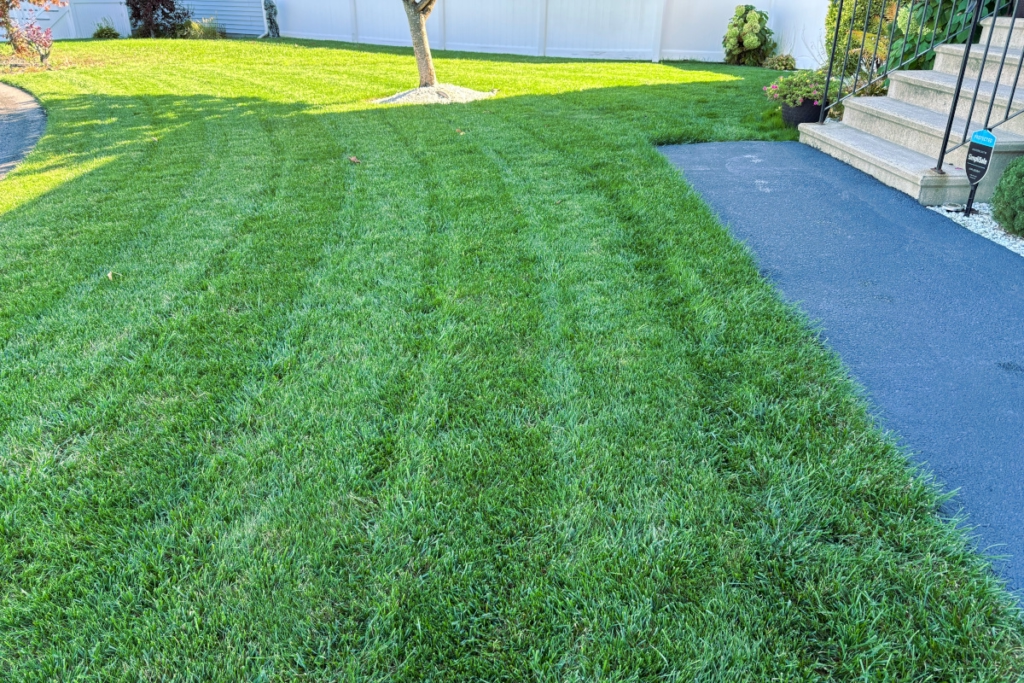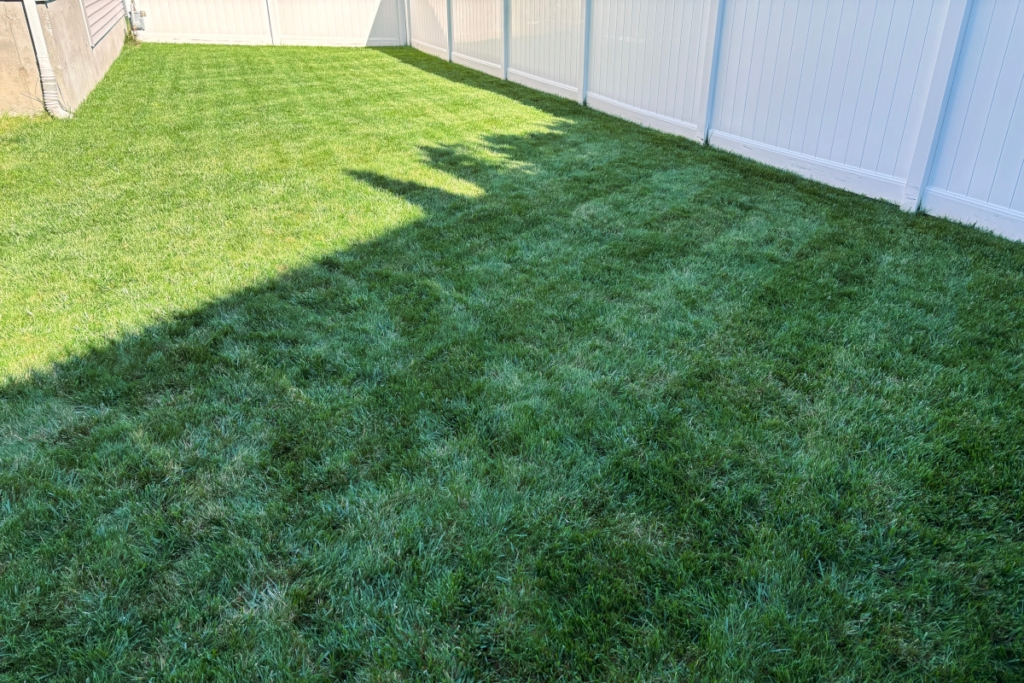
It’s been 1 month since I detached my lawn.
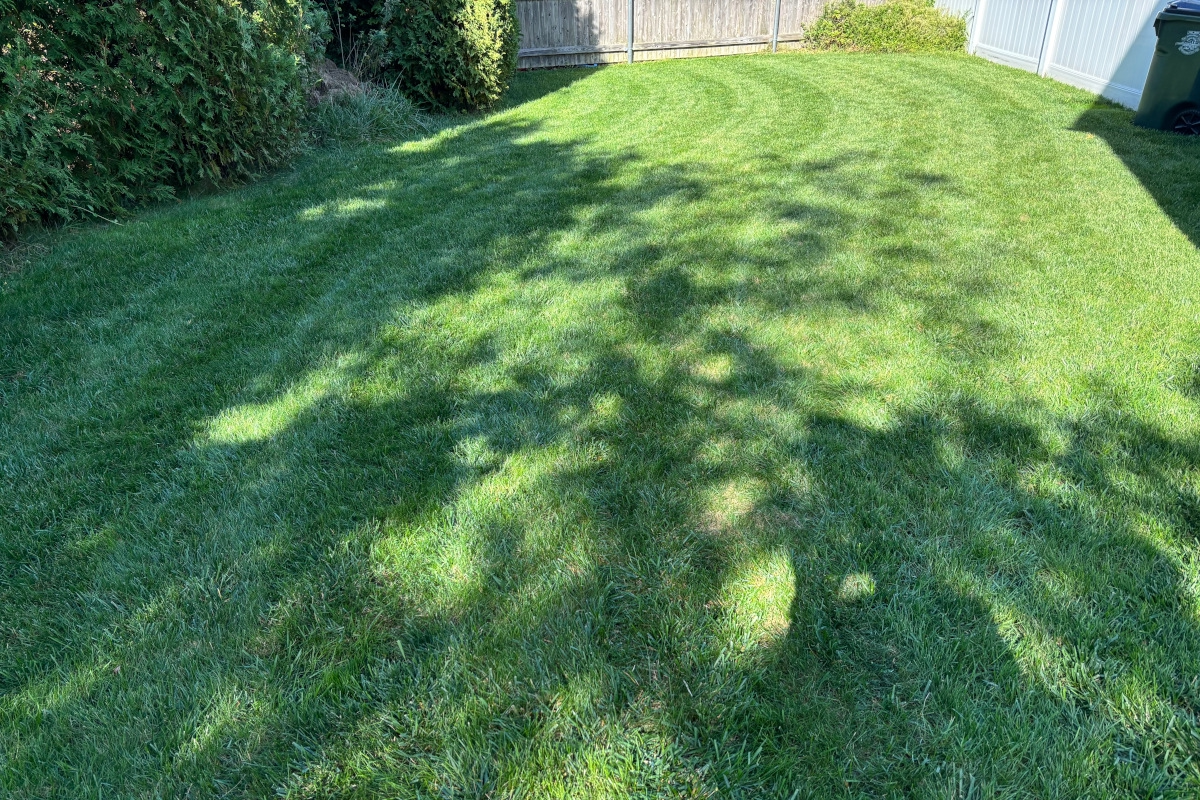
As I mentioned in my previous update, I didn’t overseed this Fall. In addition to the detaching, I also put down some fertilizer. The photos below show how my lawn is looking like today.

Improving The Soil’s pH
My plan for the next week is to put down some lime to help increase my soil’s pH. The ideal soil pH for a lawn is between 6.0 and 7.0. When it rains in the New England area, it usually brings down the soil’s pH. Getting the pH to go up or down doesn’t happen overnight, it takes some time. Sometimes it can take a couple of years to get a pH in the 5 range to increase into 6.
Will your lawn look bad if the pH is not ideal? No, but if the pH is in that range, it makes it easier to maintain the lawn because whatever you put down, the grass plant will be able to absorb more of it. It also enables the lawn to take in other nutrients that would otherwise be unavailable if the pH is out of the ideal range.
How To Know Your Soil’s pH Level
To know what your soil’s pH is at, you need a soil test. I’ve used this one here before and had good results with it. You basically take some samples of your soil, combine them and ship them back to get tested. It’s best to do this at the beginning of the season, or during a time when it’s been at least a month since you put anything down in your lawn. This will give you the most accurate test results. It takes about 2 weeks to get your results.
In addition to the pH level, you’ll also get to see how much of other nutrients and micro nutrients are available in your soil. Things such as, nitrogen, potassium, phosphorus, iron, and more. With that you can make some solid decisions as to whether or not you need to put down any more of a specific product, potentially saving you money.