
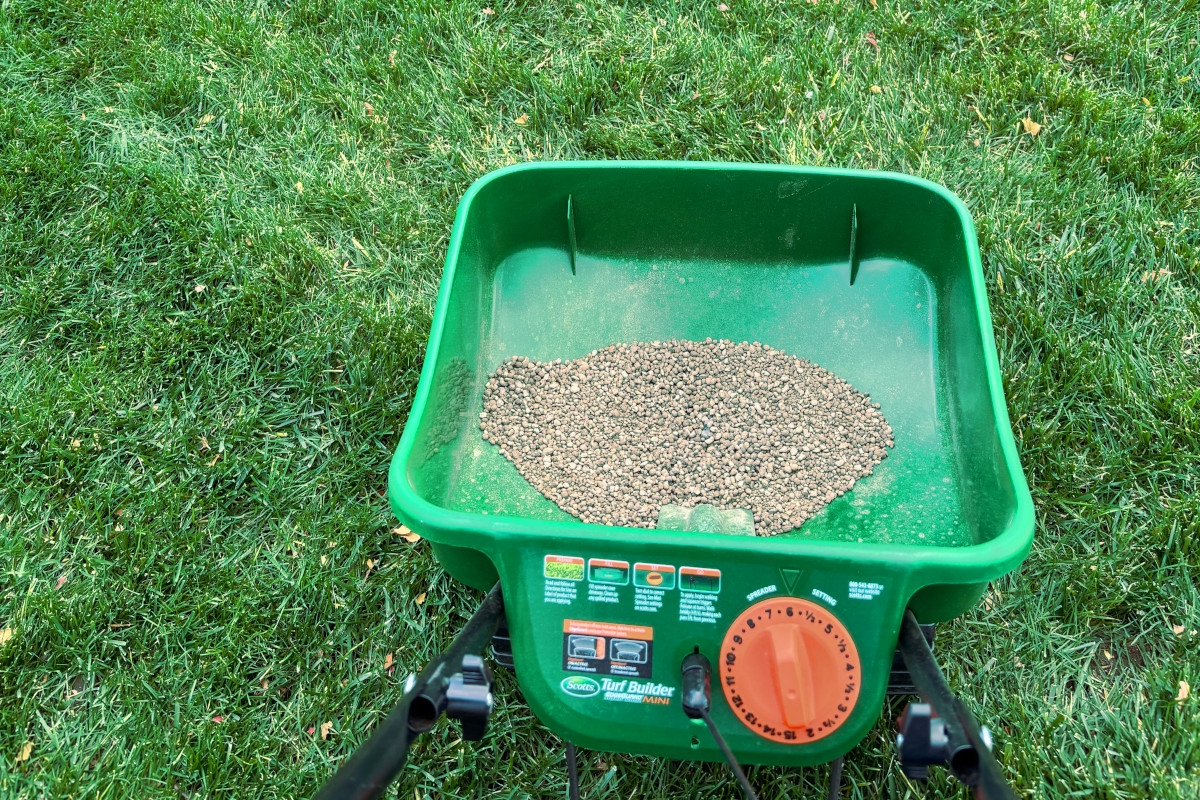
Today, I applied lime to my lawn—a common fall ritual that helps maintain healthy soil pH levels. For an optimal lawn, you’re aiming for a pH between 6.0 and 7.0. Here in New England, our soil often leans toward the acidic side, usually dropping below 6.0. This acidity is why so many people incorporate lime into their lawn care routine every autumn.
Getting the pH right is a two-fold benefit: it’s great for your grass, and it also helps suppress the growth of many common weeds.
Does Your Lawn Really Need Lime? The Importance of a Soil Test
While adding lime every fall is a popular practice, the only way to know for sure if your soil actually needs it is by conducting a soil test.
This process involves taking several soil samples from different spots in your yard and sending them off to a lab. Within a couple of weeks, you’ll receive a detailed report that includes your current pH level.
- When to test: The ideal time to perform a soil test is in the spring, before you’ve applied any fertilizers. If it’s already mid-season, ensure it’s been at least six weeks since your last fertilization.
While you could apply lime every fall without testing, knowing the facts can save you time and money. Why spend on a product that your lawn might not even need?
If you’ve never used lime on your lawn before, it’s worth trying. A better-balanced pH can lead to a noticeably healthier, thriving lawn next season!


